Abu Simbel: The Sun Temples of Ramesses II
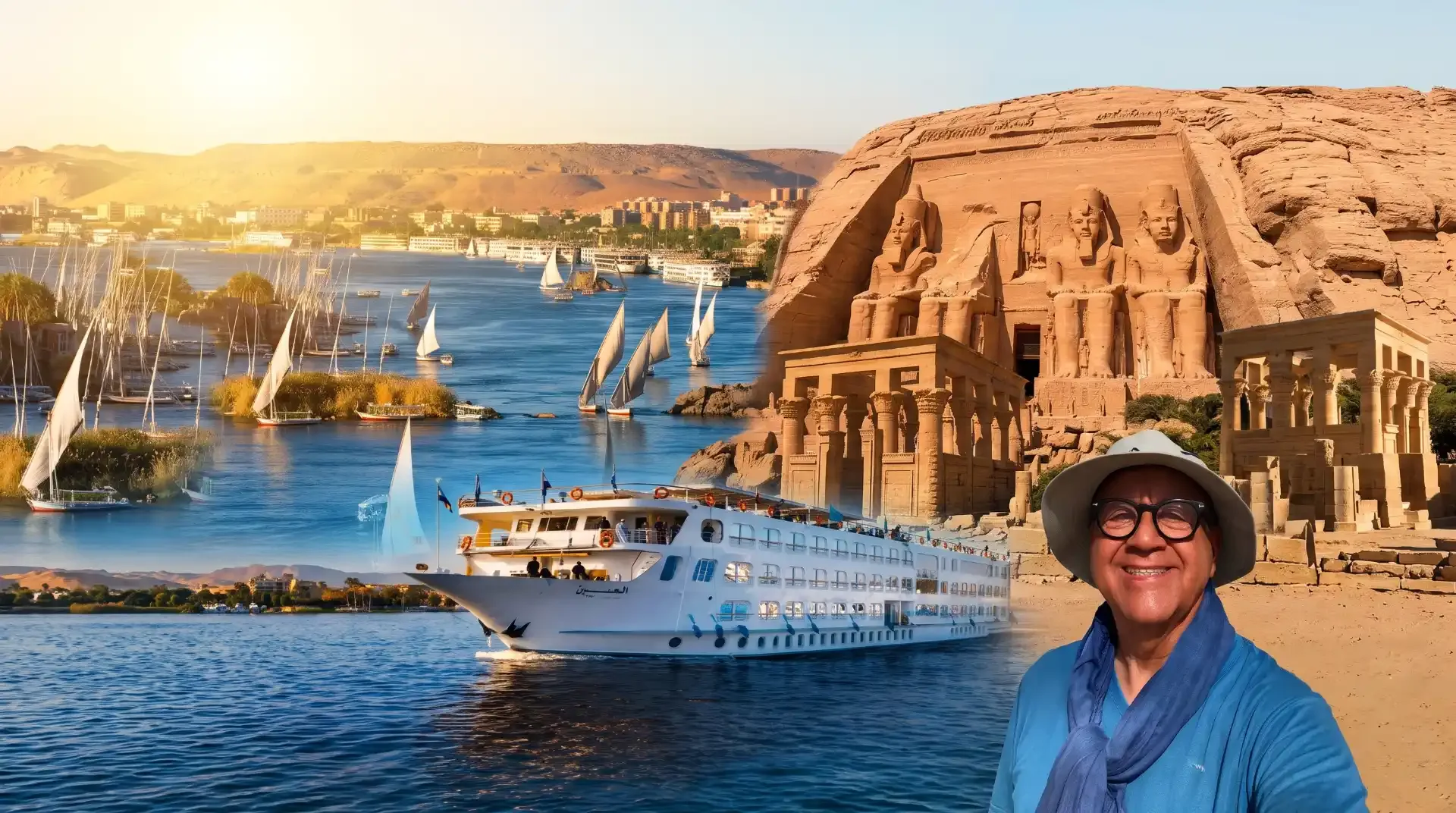
Carved directly into the sandstone cliffs overlooking Lake Nasser, Abu Simbel stands as the ultimate architectural statement of pharaonic ego, divine kingship, and geopolitical power. Commissioned during the 19th Dynasty by Ramesses II (The Great), this dual-temple complex was designed to mark Egypt’s southern border in Nubia, intimidate foreign rivals, and immortalize both the king and his favored royal wife, Queen Nefertari.
1. The Great Temple of Ramesses II
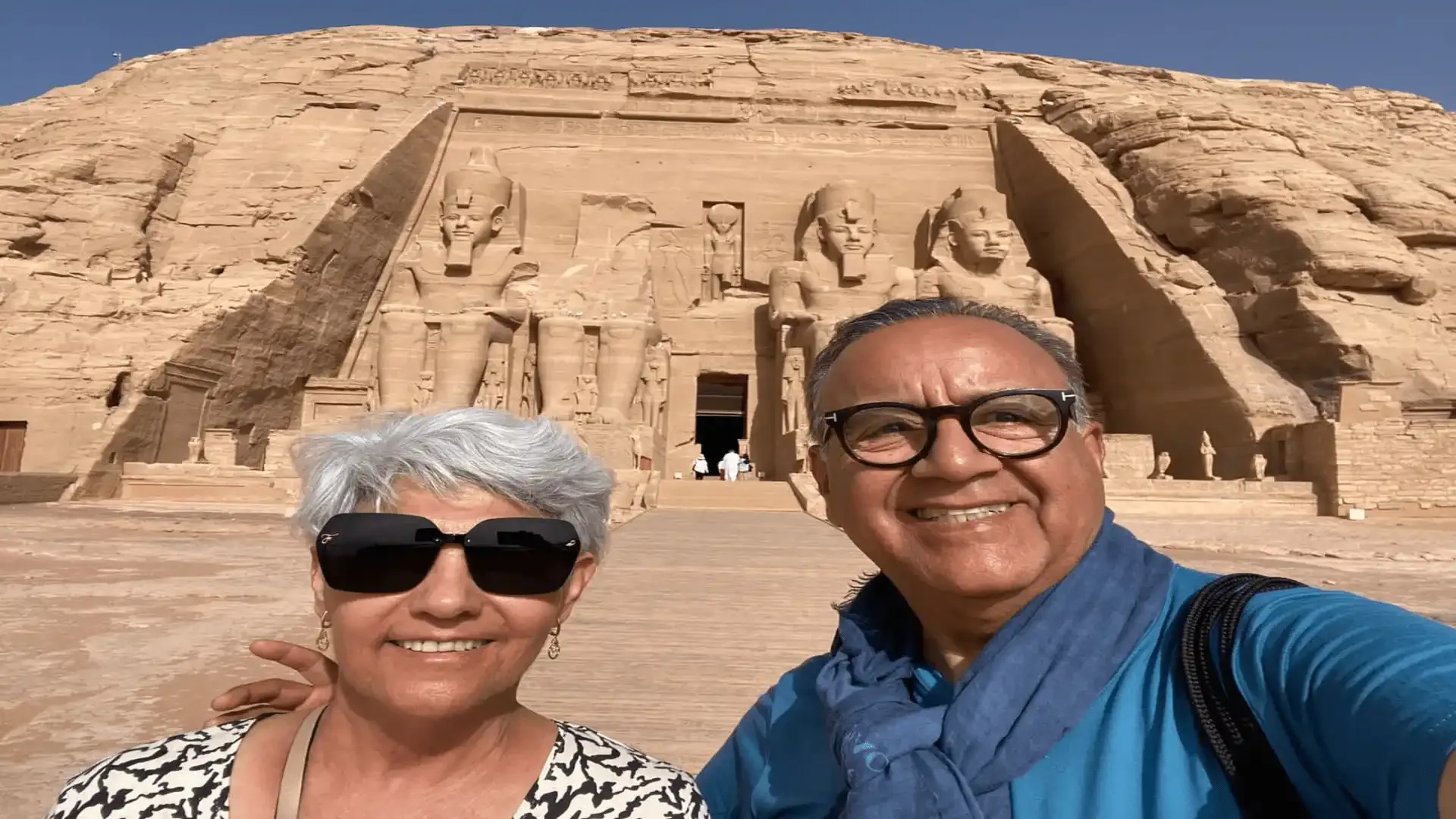
Fronted by four monumental 20-meter-tall (66-foot) seated colossi of Ramesses II wearing the double crown of Upper and Lower Egypt, the temple's sheer scale is visible from miles across the water.
The Facade: Flanked by smaller statues of his mother (Queen Tuya), his wife (Nefertari), and his children positioned beside his legs. Above the main entrance sits a niche relief of the falcon-headed sun god Ra-Horakhty, flanked by royal cartouches.
The Hypostyle Hall: Entering through the stone portal reveals an expansive hall supported by eight massive pillars, each carved in the likeness of Ramesses manifested as Osiris, the lord of eternity.
The Battle of Kadesh Reliefs: The walls feature deep, detailed relief carvings celebrating Ramesses II’s military confrontation against the Hittites in 1274 BCE, including vivid scenes of charging war chariots, prisoner marches, and the king receiving tribute.
2. The Solar Alignment Phenomenon
At the rear of the mountain, 65 meters deep within the bedrock, lies the Sanctuary of the Four Gods: Amun-Ra, Ra-Horakhty, the deified Ramesses II, and Ptah.
Astronomical Precision: Ancient architects aligned the temple axis so that twice a year—originally on February 21 and October 21 (marking the pharaoh’s ascension to the throne and birthday)—the rays of the dawn sun pierce through the entrance, travel the entire length of the halls, and illuminate three of the four seated deities.
The God in the Shadows: Ptah, the primeval patron of artisans associated with the subterranean underworld, remains perpetually shrouded in darkness.
(Note: Following the UNESCO relocation, the event now occurs one day later, on February 22 and October 22).
3. The Small Temple of Hathor and Queen Nefertari
Located 100 meters north of the main temple, this sanctuary was dedicated to Hathor, goddess of love, music, and motherhood, as well as Ramesses’ chief royal consort, Queen Nefertari.
Unprecedented Royal Equality: The facade features six standing colossi (four of Ramesses and two of Nefertari). In an extraordinary departure from traditional ancient Egyptian artistic canon, Nefertari is carved at the exact same scale as the pharaoh himself, signifying her immense political influence and status in his court.
Inner Sanctuary Reliefs: Adorned with delicate, vibrant wall carvings depicting Hathor crowning Nefertari and welcoming her into the realm of the divine.
4. The UNESCO Relocation Wonder
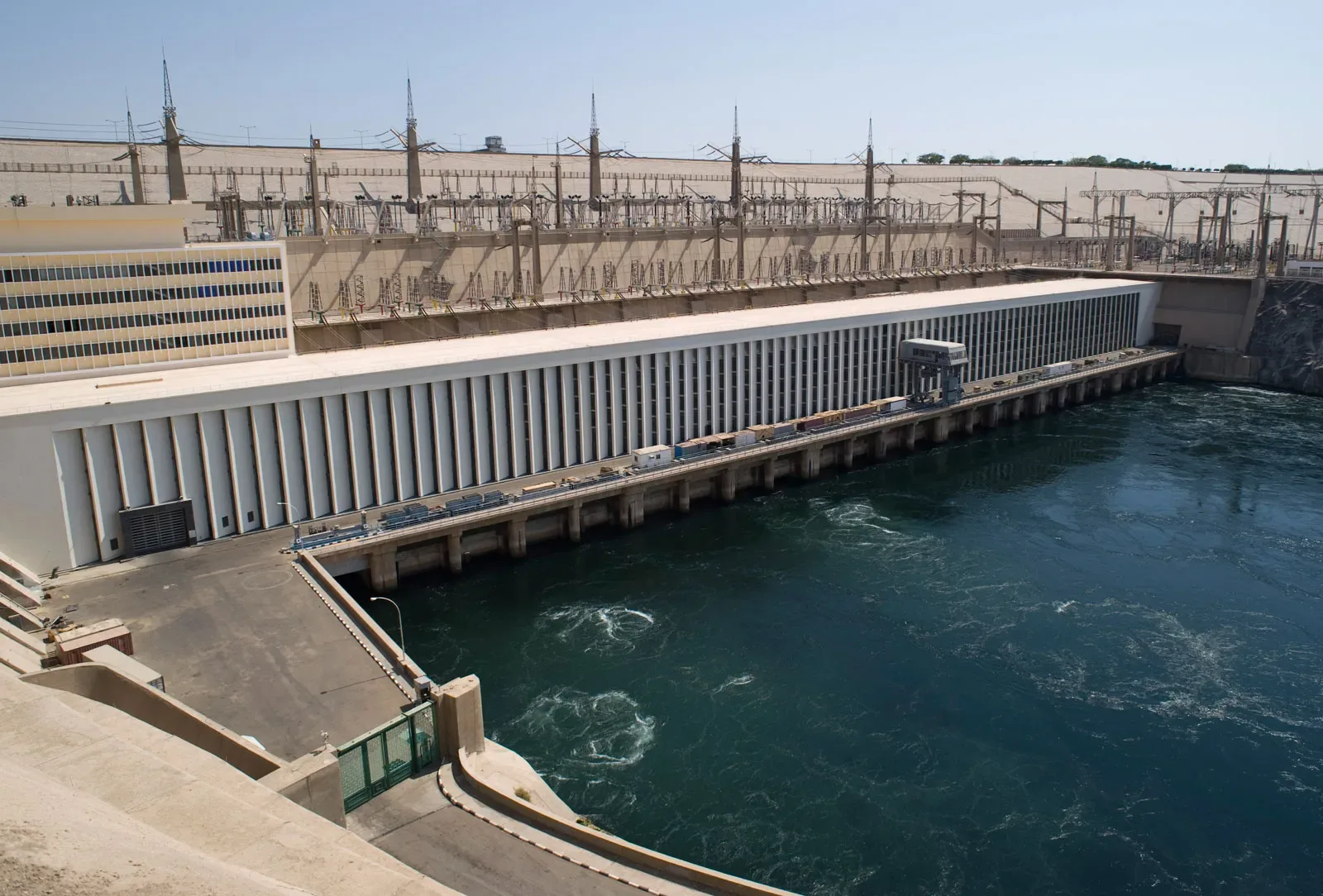
When the construction of the Aswan High Dam threatened to submerge Abu Simbel beneath Lake Nasser in the 1960s, a global coalition of engineers, archaeologists, and stone cutters pulled off one of the greatest salvage operations in history:
The mountain cliffs were dismantled, and both temples were meticulously sliced into over 1,000 transportable stone blocks weighing between 20 and 30 tons each.
The monuments were reassembled with millimeter precision 65 meters higher and 200 meters inland against two massive, hollow, artificial reinforced-concrete domes engineered to mimic natural desert hills.