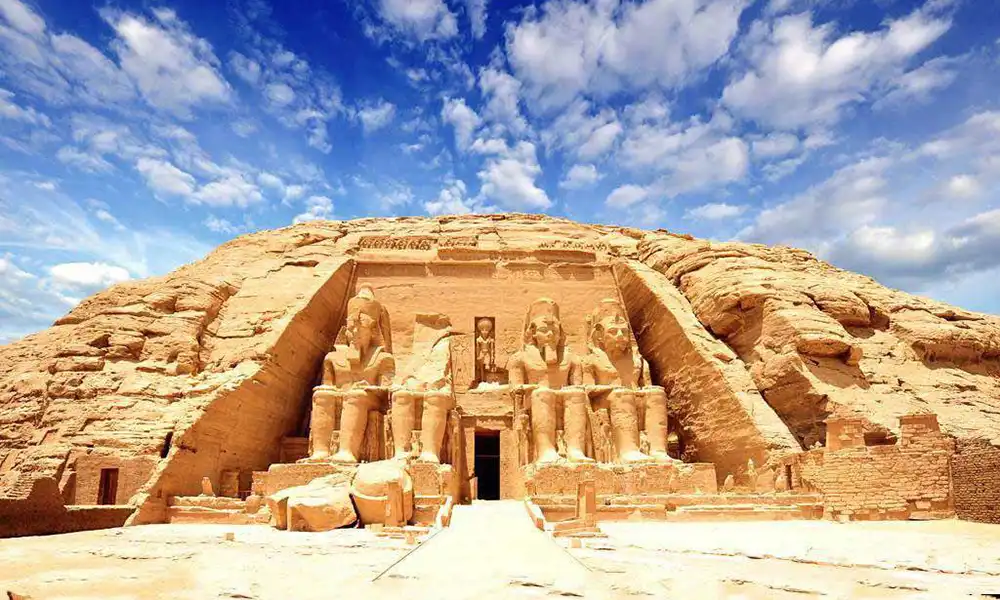
Everything You Need to Know Before You Land in Cairo, Luxor, and Beyond
A trip to Egypt is a journey through millennia of history, vibrant culture, and unforgettable landscapes. To ensure your adventure across Cairo, Luxor, Aswan, and the Red Sea is seamless and stress-free, our local team at Egypt Top View has compiled this essential practical guide. From packing and dress etiquette to managing payments and local customs, here is everything you need to know before you fly
Yes, most international travelers require a tourist visa to enter Egypt. Citizens of eligible countries (including the EU, USA, UK, Canada, Australia, and many others) can obtain a single-entry tourist visa online via the official Egypt e-Visa portal or upon arrival at major international airports (Cairo, Hurghada, Sharm El Sheikh, Luxor) for USD 40 per passport. Passports must have at least 6 months of validity remaining from the date of arrival.
Dress Conservatively & Modestly: Cover shoulders and knees when exploring town centers, markets, and historic religious sites to respect local traditions and protect yourself from intense sun exposure.
Fabric Choices: Choose loose, breathable fabrics like linen and cotton in neutral tones (khaki, beige, light gray) that reflect heat and conceal dust from archaeological sites.
Footwear Matters: Wear sturdy, closed-toe walking shoes or durable sneakers with good traction; terrain across tombs, temple complexes, and cobblestone alleys is often dusty, uneven, and slippery.
Sun Protection Essentials: Bring polarized sunglasses, high-SPF sunscreen, a wide-brim hat, and a light shawl or scarf (useful for women entering mosques and for desert breezes).
Card Payments vs. Cash: Official archaeological monuments, museums, and star-rated hotels require Visa or Mastercard payments at ticket desks. Always keep modest Egyptian Pound (EGP) banknotes on hand for small vendors, public restrooms, and tips.
Tipping Etiquette (Baksheesh): Tipping is standard practice in service interactions. Keep small bills (20, 50, and 100 EGP) readily accessible in an outer pocket so you do not expose your entire wallet.
Market Bargaining (Souks): Polite haggling is expected in traditional markets like Khan el-Khalili. Keep interactions lighthearted and friendly; starting around 50% of the initial quoted price is customary before settling somewhere in the middle.
Hydration Rules: Drink bottled or purified water exclusively; avoid drinking directly from the tap. Ensure factory caps click open on sealed bottles.
Culinary Precautions: Savor traditional Egyptian cuisine (koshari, falafel/taameya, grilled meats) at established restaurants and busy eateries with high turnover. Avoid unpeeled raw fruits and unwashed salads at basic street stalls.
Traveler’s Pharmacy Kit: Pack rehydration salts, antacids, anti-diarrheal medication, motion sickness tablets (for felucca sails or winding desert drives), and insect repellent for evening Nile river cruising.
Upon arrival, travelers are permitted personal effects duty-free, including personal jewelry, electronics (cameras, laptops, tablets), up to 1 liter of alcoholic beverages, and 200 cigarettes (or 25 cigars / 200 grams of tobacco). High-value video gear may be recorded by customs officers on arrival. Professional camera drones are strictly prohibited in Egypt without prior official defense ministry permits.
Tap water is safe for showering and brushing your teeth, but it is not recommended for drinking. Always drink sealed bottled mineral water, which is inexpensive and widely available throughout hotels, Nile cruise ships, and local shops
Eat at reputable restaurants, hotels, and tourist-licensed dining spots. Avoid raw or unpeeled street vegetables, drink plenty of fluids to avoid dehydration in hot weather, and carry over-the-counter stomach relief medication or local remedies (such as Antinal) as a precaution.
Egypt is conservative, but tourist destinations are accustomed to international visitors. For ancient temples and city walking tours, choose breathable, loose-fitting cotton or linen clothing, comfortable walking shoes, sunglasses, and a sunhat. Modest attire covering shoulders and knees is appreciated when visiting religious sites (mosques and churches). Casual resort wear, shorts, and swimwear are completely fine on Nile cruise sun decks and at Red Sea beach resorts
Nile cruise bookings are based on Full Board, which includes daily breakfast, lunch, and dinner, typically served in an open buffet featuring international dishes and Egyptian specialties. Bottled beverages, sodas, and alcoholic drinks are billed separately to your cabin account.
Yes. All packages, day tours, and Nile cruise durations can be customized, extended, or upgraded to match your preferred travel dates, group size, and hotel rating.