Giza: Sights & Attractions

Discover Giza : Where Ancient Wonders Meet Modern Marvels

Giza is the timeless heart of Egypt’s cultural heritage, home to the world’s most legendary monuments and cutting-edge cultural landmarks. Perched on the western bank of the Nile, this iconic destination bridges thousands of years of human achievement, offering travelers an extraordinary journey from the dawn of civilization to the pinnacle of modern museum design.

Whether you are standing beneath the towering shadows of millennia-old monuments or wandering through world-class contemporary exhibition halls, Giza delivers an unforgettable encounter with the grandeur of ancient Egypt.

piramides

The Giza Pyramids Complex & The Great Sphinx

Standing on the edge of the Western Desert, the Giza Plateau is the defining monument of ancient Egyptian civilization and the only surviving wonder of the ancient world. Built during the Fourth Dynasty (c. 2575–2465 BCE), this necropolis served as the eternal resting place for three generations of pharaohs.


The Great Pyramid of Khufu (Cheops): The largest of the three, originally standing at 146.6 meters (481 feet). Constructed from over 2.3 million limestone blocks, it showcases extraordinary architectural precision.


The Pyramid of Khafre (Chephren): Appears slightly taller than Khufu’s due to its higher elevation, still retaining its original polished casing stones at the apex.


The Pyramid of Menkaure (Mykerinos): The smallest of the trio, marked by its distinctive lower casing of Aswan red granite.


The Great Sphinx: Carved directly from the plateau's limestone bedrock, this monumental hybrid with the body of a lion and the head of Pharaoh Khafre guards the eastern approach to the complex.
The Grand Egyptian Museum (GEM)

The Grand Egyptian Museum (GEM)

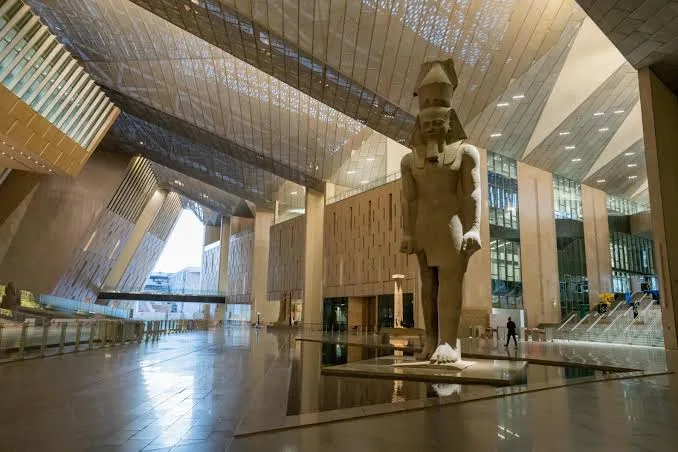
Located just two kilometers from the Giza Pyramids, the Grand Egyptian Museum is the world’s largest archaeological complex dedicated to a single civilization. Designed as a modern architectural marvel, the museum acts as an open cultural gateway connecting the ancient plateau to contemporary Cairo.

The Grand Atrium & Colossus of Ramesses II: Welcomes visitors with a 3,200-year-old, 11-meter-tall statue of Ramesses the Great set within a sunlit glass atrium.

The Grand Staircase: A multi-level monumental staircase featuring over 60 royal statues, sarcophagi, and architectural elements arranged chronologically.

Tutankhamun Galleries: For the first time in history, all 5,000+ artifacts excavated from King Tutankhamun’s KV62 tomb are displayed together, including his gold funerary mask, inner coffins, royal chariots, and everyday jewelry.

Main Exhibition Galleries: Twelve expansive, chronologically structured halls covering Egyptian history from the Pre-Dynastic era through the Greco-Roman period.

Saqqara Necropolis

Saqqara Necropolis

Located roughly 30 kilometers south of Cairo, Saqqara served as the primary burial ground for Memphis, the ancient capital of Egypt. Spanning over 7 kilometers of the desert plateau, this archaeological treasure trove covers thousands of years of dynastic history and contains the earliest monumental stone structure known to humanity.

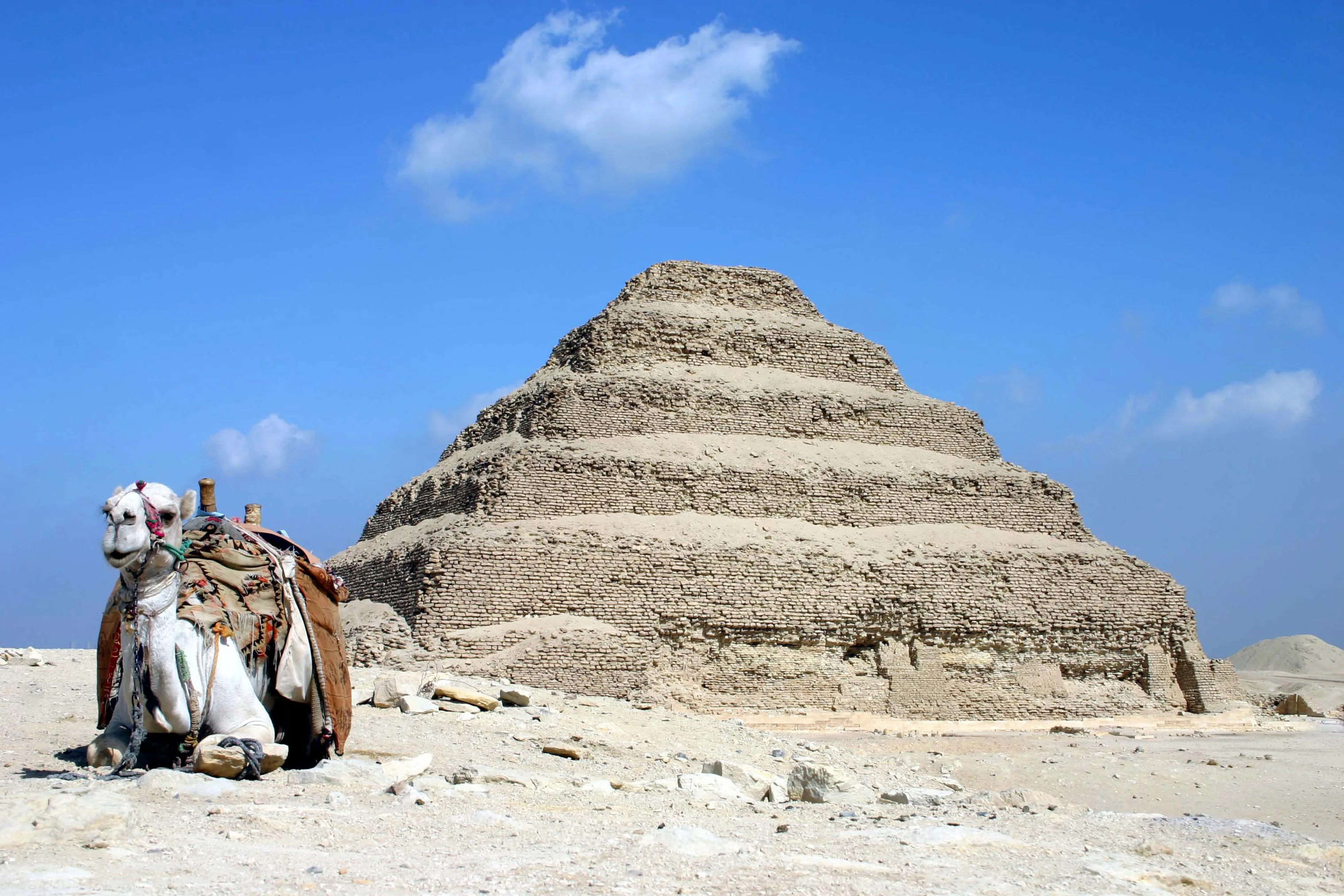
Saqqara Pyramid (The Step Pyramid of Djoser) is the defining landmark of the necropolis. Engineered during the Third Dynasty (c. 2670 BCE) by the royal architect Imhotep, this six-tiered stone complex represents the groundbreaking transition from flat mud-brick mastabas to true pyramids.

Architectural Milestone: Built from limestone blocks stacked in six diminishing tiers rising over 60 meters high.

The Mortuary Enclosure: Surrounded by a high-bastioned limestone wall, complete with colonnaded entryways, festive courtyards, and deep subterranean galleries.

The South Tomb: An intricately carved underground vault featuring deep shafts, blue faience tile reliefs, and hieroglyphic inscriptions.

Other Must-See Highlights at Saqqara

Pyramid of Unas: Famous for containing the oldest known surviving collection of Pyramid Texts—magical and religious funerary spells carved into green-tinted alabaster chambers.

Mastaba Tombs of the Nobles (Ti, Mereruka, & Kagemni): Renowned for their vibrant, well-preserved low-relief carvings depicting daily life, agriculture, hunting, and banquets along the ancient Nile.

Imhotep Museum: Positioned at the entrance to the site, showcasing artifacts unearthed across Saqqara, including wooden statues, surgical tools, and the architect Imhotep’s bronze figurines.

Memphis (Mit Rahina)

Memphis (Mit Rahina): The Ancient First Capital of Egypt

Located approximately 20 kilometers south of Giza near the modern town of Mit Rahina, Memphis (Men-nefer) was founded around 3100 BCE by King Menes (Narmer), the legendary pharaoh who unified Upper and Lower Egypt. For centuries throughout the Old Kingdom, Memphis stood as the thriving political, administrative, and religious heartbeat of the ancient realm. Today, its legacy is preserved within a dedicated open-air archaeological park.

The Mit Rahina Museum is an open-air archaeological sanctuary that houses the remaining monuments, colossal sculptures, and sacred relics recovered from the ruined temples of ancient Memphis.

The Colossal Statue of Ramesses II: The site's crowning centerpiece is a monumental limestone colossus of Pharaoh Ramesses II, measuring over 10 meters in length. Displayed lying horizontally in a custom viewing pavilion, the statue features exquisitely detailed anatomy, royal cartouches, and ceremonial regalia.

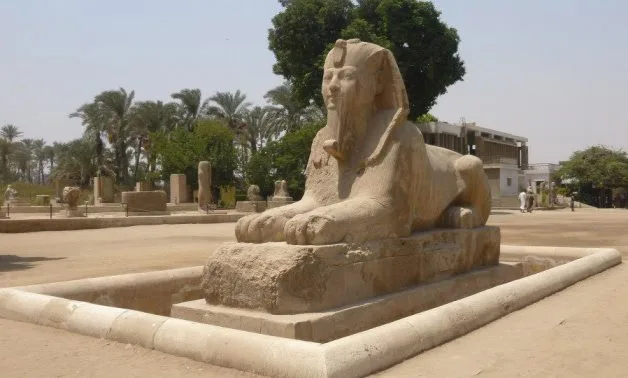
The Alabaster Sphinx of Memphis: Carved from a single massive block of yellow calcite (Egyptian alabaster) during the 18th Dynasty (New Kingdom), this 8-meter-long, 90-ton monument is the second-largest sphinx ever discovered in Egypt.

Embalming Tables of the Sacred Apis Bulls: Giant monolithic travertine beds where the sacred Apis bulls were mummified and prepared for burial in the nearby underground vaults of Saqqara.


Temple of Ptah Remains: Scattered granite columns, architraves, and carved stelae dedicated to Ptah, the patron creator god of craftsmen and chief deity of Memphis.

Yes. The Grand Egyptian Museum is located roughly 2 kilometers (a 5 to 10-minute drive) from the Giza Plateau. Combining both into a single full-day tour gives you the ideal itinerary: spend the morning exploring the ancient pyramids and Sphinx outdoors, followed by the afternoon inside the climate-controlled galleries of the GEM.

Giza Pyramids & Sphinx: Plan for 2.5 to 3.5 hours to tour the three main pyramids, take in the panoramic desert view, and visit the Valley Temple and Great Sphinx. Add another 45 minutes if you plan to enter the interior chambers of the Great Pyramid.

Grand Egyptian Museum (GEM): Dedicate at least 3 to 4 hours to experience the Grand Atrium, climb the Grand Staircase, and thoroughly explore the Tutankhamun galleries and main exhibition halls.

Yes. For the first time since the discovery of his tomb in 1922 by Howard Carter, all 5,000+ artifacts belonging to King Tutankhamun—including his iconic gold funerary mask, jewelry, ceremonial chariots, and inner coffins—are brought together in one expansive, dedicated wing at the GEM

Yes, visitors can purchase a separate interior entry ticket to climb the Grand Gallery into the King’s Chamber of Khufu's pyramid. Note that the passage is narrow, steep, warm, and requires bending down, so it is not recommended for anyone prone to claustrophobia or with cardiovascular concerns.

The early morning (around 8:00 AM) is best to beat both the desert heat and the arrival of larger tour groups. Late afternoon is also excellent for golden-hour photography and panoramic camel rides across the dunes.

Grand Egyptian Museum: Fully modern and 100% accessible with flat entry ways, ramps, spacious elevators, and accessible restrooms throughout the complex.

Giza Plateau: The paved roads between the main bus park, the Pyramid of Khufu, and the Sphinx viewing terrace can accommodate wheelchairs, though the surrounding terrain consists of loose sand, uneven rocky paths, and incline grades that require assistance.

1. How & Where to Book Tickets

Official Booking Portal: Tickets can be purchased online in advance via the official platform: visit-gem.com. 

https://tickets.gem.eg/

Advance Booking: Highly recommended, particularly during the peak travel season (October through April), to guarantee your preferred entry time slot and avoid queues.

2. Ticket Types & What’s Included

General Admission Entry Ticket:

Access to the outdoor landscaped gardens and Piazza.

Entry to the Hanging Obelisk plaza.

The Grand Atrium featuring the 3,200-year-old Colossus of Ramesses II.

The monumental Grand Staircase lined with over 60 royal statues and sarcophagi.

The Main Exhibition Galleries (covering prehistoric times through the Greco-Roman period).

The Tutankhamun Galleries (housing the complete 5,000+ artifact collection).

Access to the commercial promenade, cafes, restaurants, and retail stores.

Guided Tour Tickets: Optional guided tours led by certified Egyptologists or museum specialists can be booked directly through the portal for an additional fee.

Add-On Experiences: Certain immersive attractions, such as the Children’s Museum or temporary interactive digital exhibitions, require a supplementary ticket.