The Citadel of Saladin (Cairo Citadel): Complete Historical & Visitor Guide
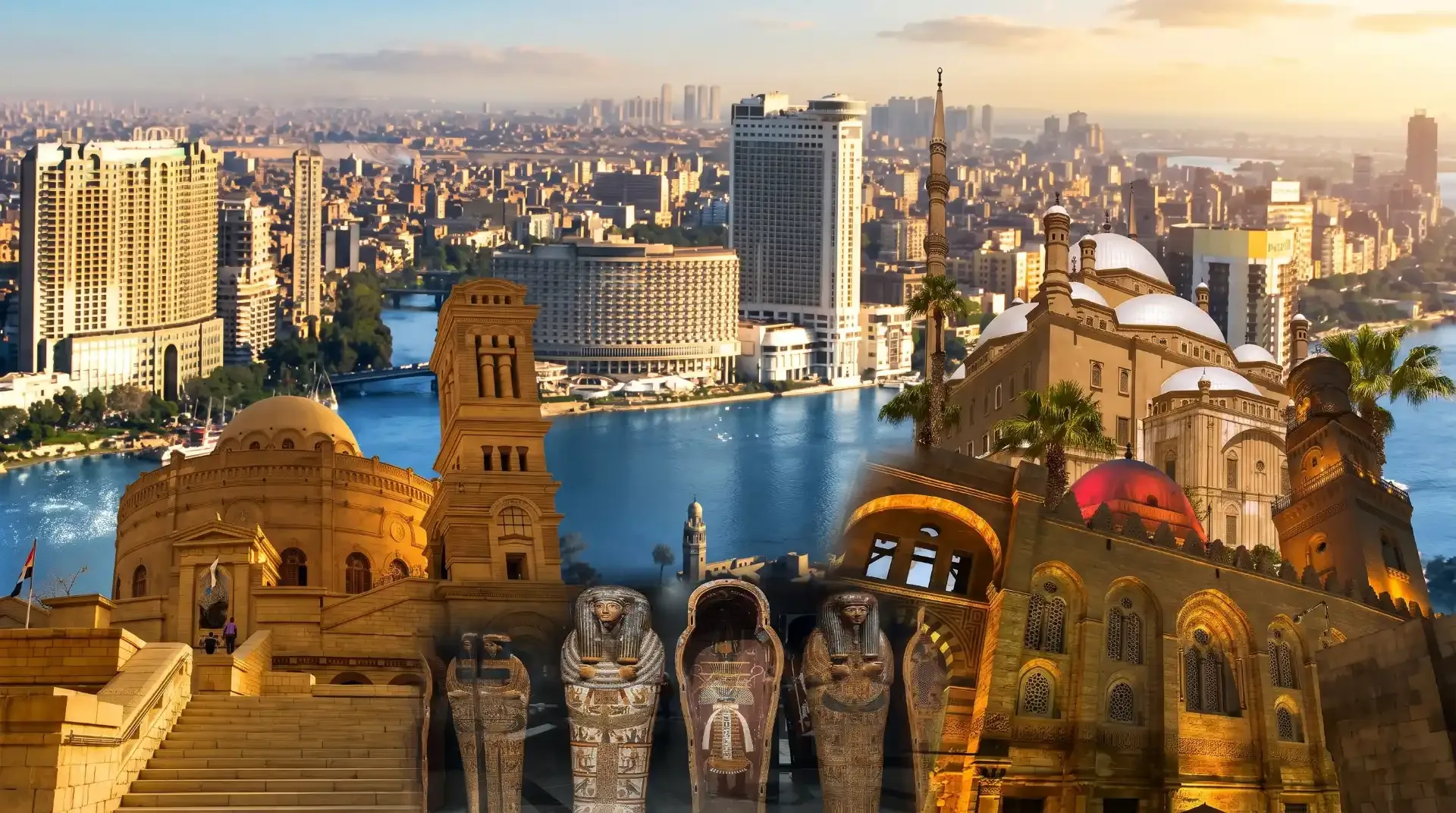
Perched prominently on the promontory of the Mokattam Hills overlooking Cairo, the Citadel of Saladin (Qala'at Salah ad-Din) is one of the world's greatest monuments to medieval military warfare. For nearly 700 years—from the Ayyubid dynasty through the Mamluk and Ottoman eras until the mid-19th century—this fortified complex served as the official seat of government and the residence of Egypt’s rulers.
1. Origins & Strategic SignificanceFounder & Era: Commissioned in 1176 CE by Salah ad-Din al-Ayyubi (Saladin), the founder of the Ayyubid dynasty, following his defense of Egypt against Crusader incursions.Geographic Placement: Built atop a spur of the Mokattam Hills, giving defenders an unobstructed 360-degree vantage point across the Nile Valley, Fustat, and medieval Cairo.Defensive Plan: Saladin envisioned an unbroken curtain wall that would enclose both the Citadel, the newly founded city of Al-Qahira (Fatimid Cairo), and Fustat to form an impregnable military perimeter.
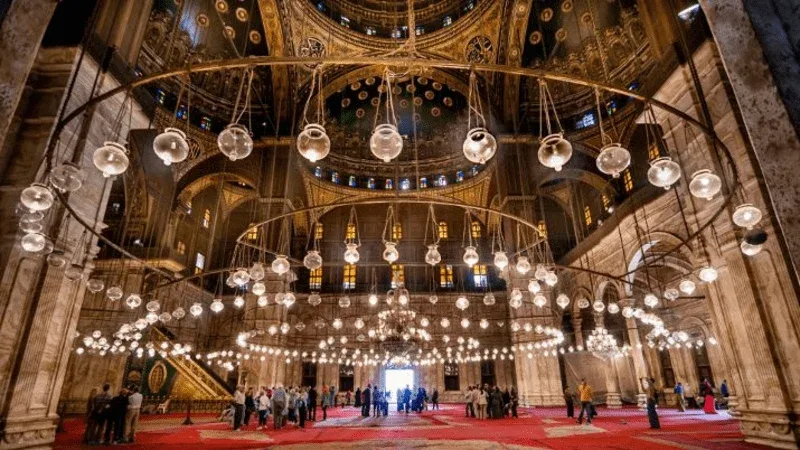
2. Key Architectural Wonders & Historic LandmarksThe Great Mosque of Muhammad Ali (The Alabaster Mosque)Erected between 1830 and 1848 by Muhammad Ali Pasha in memory of his son Tusun, this Ottoman-style imperial mosque dominates Cairo's skyline.Ottoman
Ottoman Baroque Design: Modeled after the monumental mosques of Istanbul (specifically the Sultan Ahmed / Blue Mosque), featuring a massive central dome flanked by four half-domes and two pencil-shaped minarets towering 84 meters high.
Alabaster Cladding: Its exterior lower walls and grand interior courtyard are clad in translucent Egyptian alabaster quarried from Beni Suef.
The Courtyard Clock: The open Sahn houses an ornate French brass clock tower gifted by King Louis Philippe of France in 1845 (in exchange for the Luxor Obelisk that now stands in Paris's Place de la Concorde).
Royal Tomb: Contains the elaborate white Carrara marble cenotaph and tomb of Muhammad Ali Pasha himself.
Mosque of Sultan al-Nasir Muhammad
Built in 1318 (and enlarged in 1335) by one of the Mamluk Sultanate’s most prolific builders, this hypostyle sanctuary served as the royal court mosque of the Citadel.
Reused Classical Pillars: Features ancient pharaonic, Roman, and Byzantine granite columns supporting soaring pointed arches.
Ceramic Persian Domes: Distinguished by its two unique bulbous minarets covered in vivid green, blue, and white mosaic tilework influenced by Ilkhanid Persian architecture.
The Well of Joseph (Bir Yusuf / Spiral Well)
A masterwork of medieval hydraulic engineering excavated by Saladin's engineers through solid limestone bedrock to a depth of nearly 85 meters (280 feet).
Two-Tier System: Features two concentric shafts with a spiral staircase cut around the outside wall.
Water Lifting: Teams of oxen worked inside subterranean chambers to drive water-lifting saqiya wheels, bringing freshwater up from the water table to supply the fortress during prolonged sieges.
Gawhara Palace (Bijou Palace)
Commissioned by Muhammad Ali in 1814, this palace was built in the Ottoman-European neoclassical style with gilded wood carvings, crystal chandeliers, and expansive reception halls. It was within this palace compound that Muhammad Ali orchestrated the infamous Massacre of the Mamluks in 1811, ending Mamluk influence in Egypt.
Military & Police Museums
National Military Museum: Housed within the former 19th-century Harim Palace, displaying Egyptian military equipment, armaments, uniform collections, and battle dioramas from pharaonic times to modern conflicts.
National Police Museum: Houses historic weapons, exhibits on historic criminal trials, and artifacts documenting Egyptian law enforcement through the centuries.